Pro’s & Cons of Pop-Culture
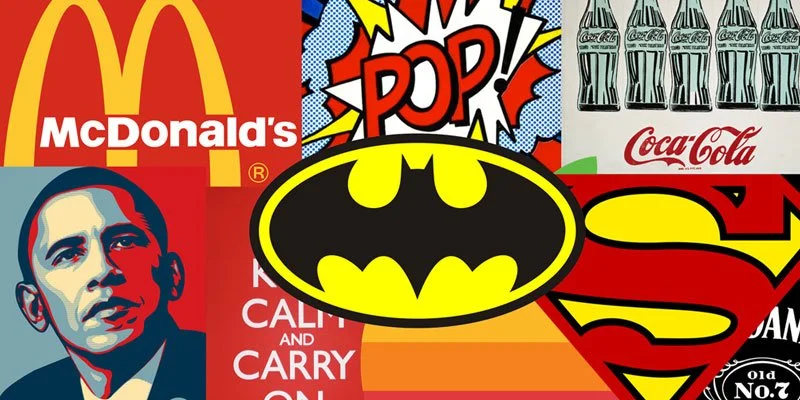
Something I think it’s important to acknowledge is the pro’s and cons of pop culture. Popular culture is exactly that — what is popular. The point of pop culture is to get people interested or catch people’s attention with the more favorable aspects or the main take aways.
That being said we often hear about the cons which is can be something becoming a buzz word for example, “toxic”. Originally came from mental health professionals aiding in showing unhealthy behaviors or ways of thinking choosing this language so others would have a straight forward understanding about what is inherently harmful instead of fawning or trying to make excuses for themselves and others.
Another con is having a half-baked understanding or an almost ultimatum like understanding. When things become popularized what ends up happening is people pay more attention to the association than the definition or the context in which it’s used. Which can look like “Well I told my friend they had to do XYZ when I need them or they’re a toxic person!”.
Because of that we see our next con which is overuse and weakening of the meaning. Now as soon as someone does something that makes people uncomfortable people are quick to label their feelings of uncomfortability as a sign of someone else being toxic when perhaps they have different communication styles.
Now let’s not forget about the pros. The more something is popularized the more things can become normalized. When things are still barely understood it is hard for people to accept a concept. The more that society hears about it (whether they agree or not) the more a concept can be destigmatized. For example, Narcissism. Of course the term has had it’s time being thrown around, but the upside of this is people are now more aware of mental health and that it doesn’t always look like being suicidal. That it can be in behavior and be an invisible disorder that we may need some pattern recognition for or at least better boundaries to handle.
For better or worse it gives attention to something the general public would have never thought to consider. That helps cement or add legitimacy to the industry it’s apart of. Gets people curious and sometimes wanting to know more (for good or bad intentions alike), and creating a label (though may not be helpful 100% of the time) helps further the knowledge and practice of something. Without the name people might not know where to look or the fact that something exists in the first place.
In all pop culture is just as helpful as it can be annoying or harmful and it is not exclusive to an industry or niche. It’s something we all take part in for better or for worse and if people don’t like it you can at least learn what it really means or where these things are coming from so you can make a well informed decision to tune out. Everything has a time and place but honestly it’s about what we decide to do with it. And of course there are things that cannot truly belong to pop culture because of the dedication and effort they take. Like spirituality can never be truly a part of pop culture because it takes time and patience to form a practice and or relationship with yourself and divinity. In the Black community people found ways to quicken the aesthetic of locs — regardless your hair still has to go through the metamorphosis so it can truly never be a part of pop culture either. So on and so forth, my ending remarks here are if you find your feathers ruffled or fascinated with something do the work to understand and if there is a lot more that meets the eye and you cannot commit to a process is better that you become an admirer or save yourself the frustration of others not understanding if they never had the intention of committing.